
In the past, many drivers could afford to put off fixing a thin crack across the windshield. It often felt more practical to deal with groceries, rent, or an exhausting work schedule first.
That habit of delaying repairs still happens, but the question feels more urgent now: how long can a person really ignore the problem?
As vehicles become more sophisticated, even a small crack carries more weight than it once did. That is why more people are starting to ask: is it illegal to drive with a cracked windshield?
The question points to larger concerns about safety, engineering, and the growing role of technology in everyday driving.
Every Detail Matters, Even a Crack
There was a time when windshields were seen mainly as sheets of glass. That is no longer true. In modern vehicles, the windshield is an important part of the car’s overall safety system.
Engineering and design have added layers of protection over the years, but a crack can still weaken what those systems are meant to do.
I once spoke with a driver who kept postponing a repair because the damage was “only on the passenger side.”
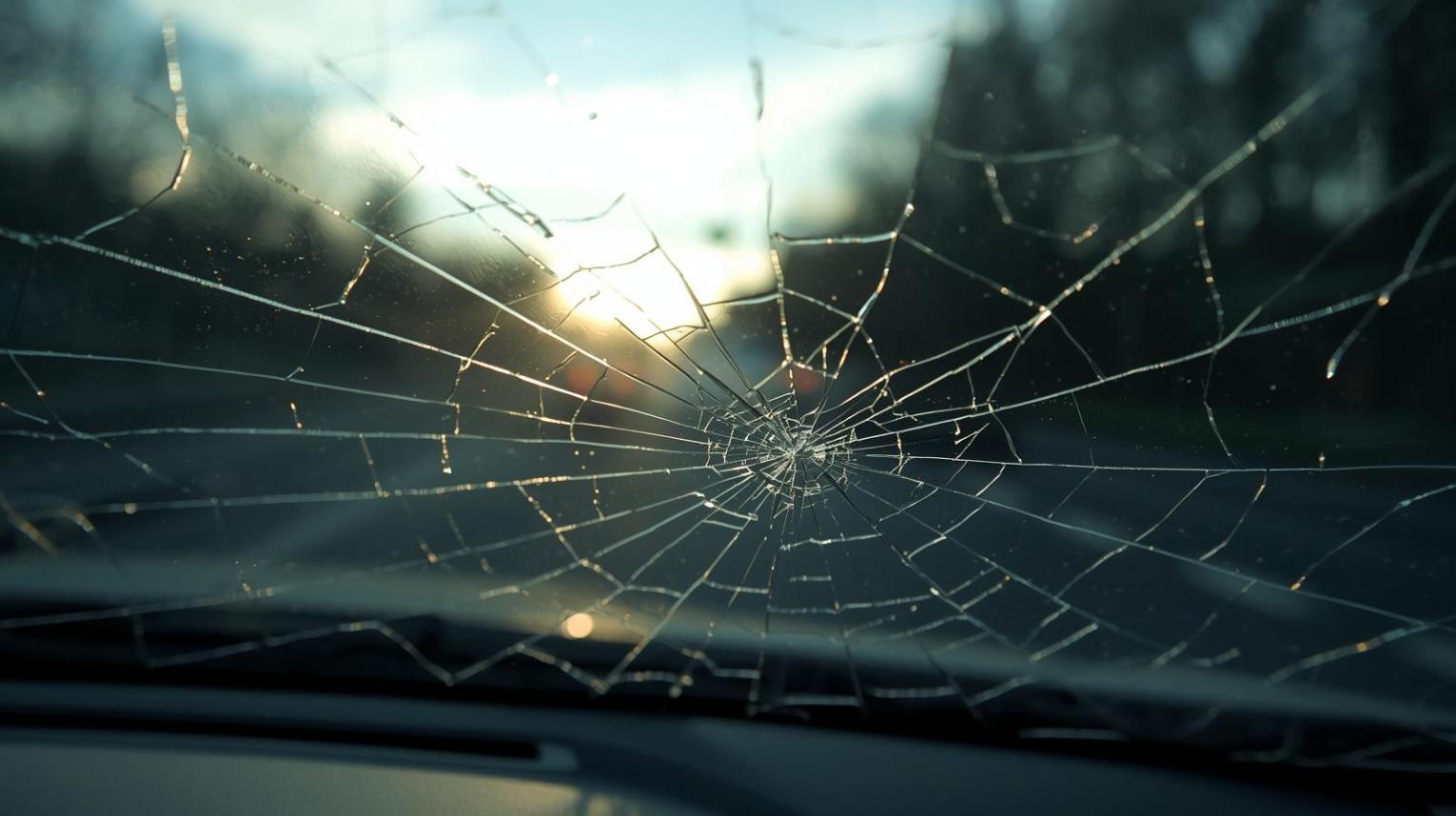
At first, it seemed minor enough to ignore. Then one bright morning, sunlight hit the glass at the right angle, and the crack spread into a spiderweb pattern.
Damage like that rarely stays contained. Heat from the road, daily vibration, and an unexpected bump can quickly turn a small flaw into a larger problem.
Smart Cars Have Changed the Role of the Windshield
With the rise of driver-assist technology, the windshield has shifted from a passive feature to an active one.
Cameras and sensors often depend on clear, undamaged glass, and they need to be mounted and calibrated with precision.
Because of that, the windshield now matters in a different way. Clear visibility for the driver is still essential, but it is no longer the only issue.
The glass also helps support systems that monitor lanes, detect hazards, and assist with safe driving. What many people once treated as a cosmetic concern has become a functional one.
There is something encouraging in that shift. It shows how automotive technology is moving more firmly toward safety.
As vehicles become better at detecting risk, drivers are also learning to pay closer attention to the parts that make those systems work.
Repair Habits Are Quietly Changing
For years, windshield repair was treated as a reactive service. Many people waited until the damage became too distracting or too severe to ignore.
Cars with advanced driver-assist systems are changing that mindset. More drivers are beginning to see repair as prevention, not just correction.
Repair shops are adapting too. Many now deal with calibration, sensor alignment, and restoration alongside the repair itself.
The conversation is no longer limited to oil changes and tire rotations. It also includes protecting the safety systems built into the windshield.
As that understanding grows, so does the willingness to act sooner.
Technology is often described as cold or impersonal, yet this is one case where it seems to be making drivers more aware and more responsible.
On roads filled with newer automotive systems, even a minor repair can carry greater meaning.
A cracked windshield is no longer just a flaw in the glass. It is a reminder that progress works best when small details are taken seriously.