
The world of technology is constantly changing industries, and pest management is no exception. From being a reactive service, mostly relying on personal visits and chemical treatments, it has become a more strategic service, based on data. The use of state-of-the-art tools, automation, and digital monitoring systems is enhancing the efficiency of inspection and pest control processes. It is throughout residential, commercial, and industrial properties.
The Evolution of Pest Detection Technology
Unfortunately, when pests were noticed, they were usually quite bad. Today, inspection and pest control are based on the early detection of pests via the use of innovative monitoring systems. Digital sensors, motion detectors, and remote monitoring devices can detect pest activity early in the infestation.
 There are some pest management companies that use smart traps, which can send alerts when activity is detected. These systems minimize response time and enable technicians to target treatments to problem areas rather than using chemicals throughout the system unnecessarily. This technological change enables quicker intervention, greater accuracy, and effective resource management.
1-Installation of Thermal Scanning Camera and Hidden Pest Detection Tool
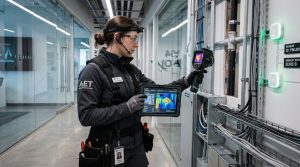
Thermal imaging technology is one of the most valuable innovations in the field of pest control today. This technology can also make the process safer as it reduces drilling, dismantling, or chemical exposure during inspections that aren’t necessary.
2-Pest Monitoring using Artificial Intelligence
Smart software platforms gather information from sensors, traps, humidity sensors, and temperature sensors and produce predictive maintenance models. These systems enable technicians to uncover patterns that people can miss. AI can, for instance, monitor the seasonal movement of pests and determine which areas have been prone to infestation in the past.
3-Integrated Pest Prevention and Smart Buildings
Building automation systems are now used in many modern buildings to enable environmental monitoring and building maintenance. These are becoming more integrated with pest management. Factors influencing the behavior of pests may be monitored through intelligent building systems, such as humidity, leaking water, ventilation systems, and waste disposal. In the event that any anomaly is detected, building administrators are able to rectify the problem before pests establish nests within the building.
For example:
🪳Automated Waste Monitoring
Eating, drinking, and sleeping in overflowing garbage areas can draw rodents and insects to the area. Smart waste systems alert maintenance teams to action.
🪳Digital Facility Mapping
Complex mapping tools enable pest management professionals to monitor infested areas, treatment history, and susceptible access points in large facilities.
4-Pest Control Technologies that are Eco-Friendly
Consequently, a lot of pest management companies now employ eco-friendly technologies that provide effective results with little or no use of chemicals.
Some examples include:
🐞Heat Treatment Systems
The use of heat technology is a usual method used for treating Bed Bugs, which does not require extensive use of chemicals. Infestation areas can be controlled by heating systems that are safe for many interior applications.
🐞Digital Monitoring Tools
Pesticide use may be reduced through digital monitoring equipment. They specifically target the concentrated areas where pests reside.
Data Security & Pest Management in Tech Facilities
Organizations in technology-related sectors, like data centers, server facilities, and research centers, have special pest control issues. They can cause damage to electrical wiring, systems, and sensitive equipment, causing expensive downtime. In the technology environments, advanced inspection and pest control solutions are particularly significant.
Discreet monitoring systems, used by pest management professionals in these facilities, are generally those that don’t compromise equipment operation. To keep the facilities free of pests, regular site monitoring and predictive analytics are critical. Preventative pest management will continue to play a significant role in technology facility maintenance as businesses continue to use digital operations.
Human Expertise Still Matters
Although technology has advanced the management of pests, human knowledge is still crucial. The monitoring data is analyzed by expert technology to formulate a treatment strategy. It can also identify environmental factors that will contribute to the growth of the infestation.
While technology may be used, it still requires the skills of experts, experience, and planning in order to control the pests effectively. The most effective way of controlling the pests would be the combination of technology and the experts. This is because they know how the pests operate and how to construct buildings to prevent them in the future.
Pest Control Using Technology
The future of pest management will most likely see more automation, AI integration, and environmental monitoring in real time. Pest detection systems, as an integral part of smart cities and connected buildings, may be available one day. This also shows how technology is revolutionizing the industry.
End Notes
Pest management in the contemporary world is more than just using a spray. Some of the components of current inspection and pest control systems include technology, data analysis, environmental monitoring, and specific treatments. Through the use of technologies, professionals can be able to detect the presence of pests in their early stages. It includes thermal imaging, AI analysis, smart sensors, and eco-friendly tools.
With the evolution of current buildings into smarter buildings, the need for technology in pest management is set to rise further. That could be in the development of safer, cleaner, and more efficient environments in residential, commercial, and industrial settings.