How Privacy Enclosure Technology Is Changing Sydney Backyards

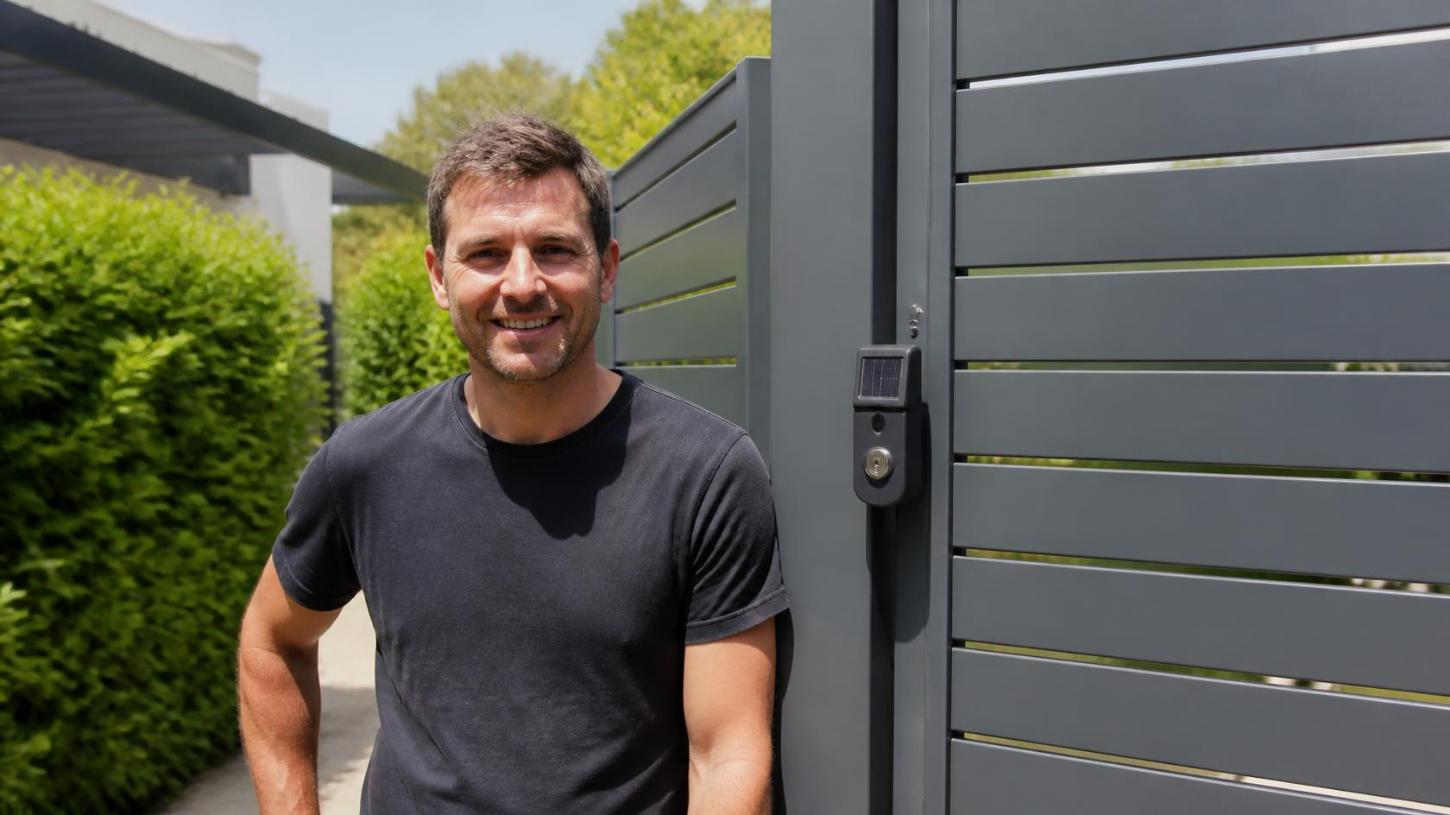
A homeowner stands beside a modern slatted privacy enclosure with a solar gate lock.


Backyard privacy used to mean one thing: a tall, solid fence and not much else. That’s shifting fast.

Better materials, smarter engineering, and a handful of small tech additions are turning the standard privacy enclosure into something far more capable than the plain timber paling most Sydney homes have relied on for generations.

My Fencing Specialists, working across the North Shore, Northern Beaches, Eastern Suburbs and Sydney City since 1999, have watched this shift play out with their own customers.

From Solid Barrier to Engineered System

The old approach to privacy was simple. Build it tall, build it solid, done. Modern aluminium and Colorbond systems approach the same problem with more precision.

Slat spacing can be engineered to block sightlines from specific angles while still letting air move through, which matters a lot in Sydney’s humid summers when a fully sealed yard turns stuffy fast.

Manufacturing tolerances have also tightened considerably. Panels fit together with far less gap and warp than older timber paling ever managed.

That means a privacy enclosure installed today holds its line straighter and stays effective for longer, without the sagging or shifting that used to be a given after a decade outdoors.

Acoustic Privacy Joins Visual Privacy

One of the more interesting developments is fencing that handles sound as well as sightlines.

Acoustic fencing panels, built with dense composite cores, can meaningfully reduce traffic or neighbour noise, something a standard timber fence barely touches.

For homes near busy roads or close-set blocks, this has become one of the more requested upgrades, since it solves two privacy problems at once, visual and auditory, with one installation.

The technology behind these panels has improved enough that they no longer look obviously industrial.

Newer acoustic products come in finishes that blend with standard residential fencing, so homeowners don’t have to choose between quiet and a yard that still looks like a yard.

Smart Additions Around the Enclosure

A handful of small tech additions have started appearing alongside privacy fencing rather than replacing it outright.

Solar-powered gate locks and motorised gates mean a fully enclosed yard doesn’t sacrifice convenience.

Motion-sensor lighting mounted along the fence line adds a layer of security after dark without needing an electrician to run new wiring across the property.

None of this requires a full smart home overhaul. A basic solar panel, a battery, and a simple sensor cover most of what homeowners actually want.

Knowing the yard stays private and secure without thinking about it constantly.

Materials That Perform Better Without Looking Different

Powder coating technology has advanced enough that colour and finish now hold up far longer against Sydney’s UV exposure than older paint systems did.

A privacy enclosure installed today can keep its original colour for well over a decade, compared to the fading and chalking that plagued fences from twenty years ago.

It’s a genuine technological improvement, even though it stays invisible until you compare an old fence to a new one side by side.

Composite materials blending recycled content with traditional fencing profiles are also becoming more common, offering the wood-look aesthetic some homeowners want without the ongoing maintenance timber demands.

Comfort as Part of the Privacy Equation

Interestingly, some of these developments echo what’s happened in other parts of the home.

Homeowners have grown used to background systems quietly doing their job without daily attention, similar to what you get with underfloor heating technology, where the comfort stays constant and the mechanism stays completely out of sight.

A well-engineered privacy enclosure works the same way. It’s simply there, doing its job every day, without needing a second thought once it’s installed properly.

That kind of set-and-forget reliability is really what most homeowners want when they invest in better fencing technology.

Not flashy features. Just a system that performs consistently without demanding attention.

Getting the Installation Right

None of these material or technology improvements matter much if the installation itself is rushed.

Post depth, panel alignment, and proper sealing around gate hardware all affect how well a modern privacy enclosure performs over time.

A contractor experienced with newer materials will know how each one behaves differently from traditional timber, since fastening methods and expansion allowances vary between aluminium, Colorbond and composite systems.

A Backyard Feature Worth Taking Seriously

Privacy fencing has quietly become one of the more technologically improved parts of a modern home, even though it rarely gets talked about that way.

Better materials, smarter engineering, and a few thoughtful tech additions have turned a once-basic backyard feature into something genuinely more capable.

For Sydney homeowners weighing their options across the North Shore, Northern Beaches, Eastern Suburbs and beyond, it’s worth treating fencing as the small piece of home technology it’s actually become.
Technology Application makes Tidier Home without the Hassle

Keeping a tidier home without the hassle is the dream of many homeowners. Home clean requires consistent effort. Luckily, modern technology is changing how households manage everyday cleaning. Repetitive tasks such as vacuuming, mopping, dusting, and monitoring cleaning routines can consume significant amounts of time, particularly for people balancing work, school, family responsibilities, and other commitments.

Automated devices and connected applications now provide ways to reduce some of this workload. While technology cannot eliminate the need for household maintenance, it can make routine cleaning more convenient and easier to manage.

Robotic Cleaners take care of Routine Floor Maintenance

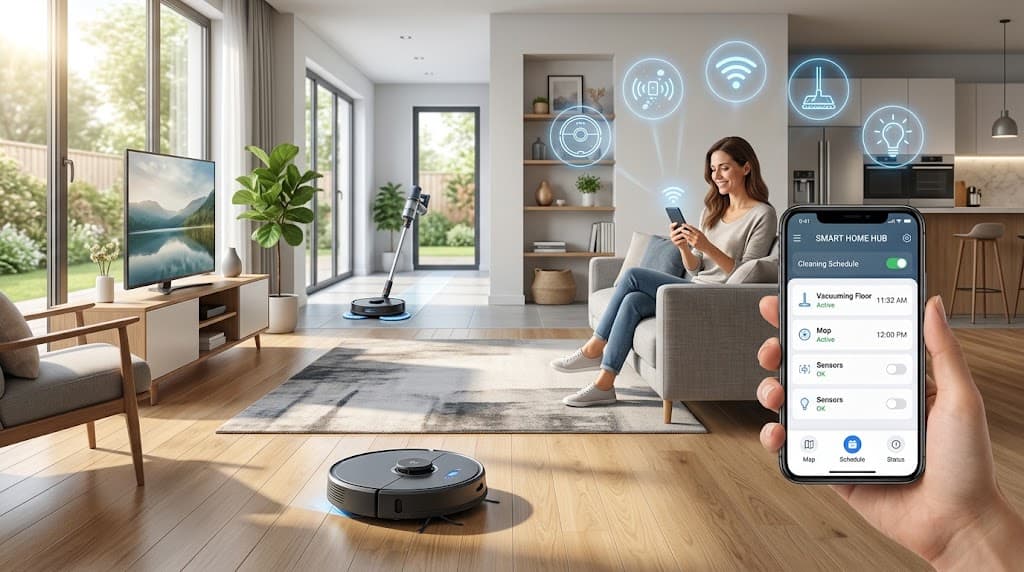
Robotic vacuum cleaners and automated mops are among the most recognizable examples of technology being applied to household cleaning. These devices are designed to perform routine floor maintenance with limited human involvement. Depending on the model, a robotic cleaner can use sensors, cameras, mapping technology, or other navigation systems to move around furniture and identify areas that require attention.

Some newer models can create digital maps of rooms and allow users to establish cleaning schedules. Instead of manually vacuuming every day, homeowners can program the device to operate at selected times.

These devices are particularly useful for managing everyday dust, crumbs, pet hair, and other surface debris. However, they generally complement rather than replace conventional cleaning. Stairs, narrow spaces, furniture surfaces, and heavily soiled areas may still require manual attention.

Smart Appliances make Cleaning more Efficient

Technology is also being incorporated into appliances that traditionally require regular maintenance. Modern washing machines, dishwashers, and dryers can include sensors and automated programs designed to optimize specific cleaning cycles.

For example, some washing machines can adjust water levels or cycle settings based on the load. Dishwashers may use sensors to determine how heavily soiled dishes are and modify the washing process accordingly. Smart appliances can also provide notifications through connected applications, allowing homeowners to monitor cycles without repeatedly checking the machine.

These features can simplify household routines by reducing the number of decisions users need to make during everyday chores. They may also help households use resources more efficiently when the appliance is designed to adjust its operation according to the task.

Apps Turn Cleaning into a Manageable Routine

Cleaning technology is not limited to physical devices. Mobile applications can help homeowners organize chores, establish schedules, and track maintenance activities. This can be particularly useful in larger households where different tasks need to be completed at different intervals.

A cleaning application or digital calendar can be used to schedule activities such as vacuuming, changing bedding, cleaning bathrooms, washing appliances, or replacing filters.

Some connected cleaning devices can also send alerts when a task has been completed or when maintenance is required.

By turning cleaning into a scheduled routine, technology can reduce the likelihood of household chores being forgotten. Instead of relying entirely on memory, homeowners can use automated reminders and device notifications to keep maintenance organized.

Automation and Professional Cleaning can Work Together

Automated cleaning technology does not make professional cleaning services obsolete. Instead, the two approaches can address different levels of household maintenance. Robotic vacuums and smart appliances are well suited to repetitive, routine tasks, while professional cleaners can handle more detailed or specialized work.

A good application of this is like when robotic vacuum maintain floors between professional visits, while professional cleaners can concentrate on deep-cleaning carpets, bathrooms, kitchens, windows, and difficult-to-reach areas. This division of responsibilities can make professional cleaning more effective because routine surface maintenance is being handled more consistently.

Technology can therefore serve as a supporting system rather than a complete replacement for human expertise. Professional cleaners can also work around automated devices and household preferences when developing an appropriate cleaning routine.

Using Technology to Reduce the Household Cleaning Burden

The biggest advantage of cleaning technology is not that it makes cleaning unnecessary. Its value comes from reducing repetitive work and making household maintenance easier to organize. Robotic cleaners can handle routine floor care, smart appliances can automate portions of washing and cleaning cycles, and mobile applications can help homeowners maintain consistent schedules.

However, these tools work best when used realistically. Devices need to be maintained, sensors and filters may require cleaning, and automated equipment cannot reach every surface. Homeowners still need to inspect their living spaces and address tasks that technology cannot perform.

The combination of automation and human effort provides a more practical approach to modern housekeeping. Technology can take care of predictable, repetitive tasks while homeowners and professional cleaners focus on areas requiring judgment, precision, or specialized equipment. As smart home technology continues to develop, everyday cleaning is likely to become increasingly integrated with automated systems, giving households more control over their time without sacrificing the cleanliness and maintenance their homes require.